In brief
Evaluate an app by how it supports the intended return on investment and whether users continue opening it and browsing its content. Download numbers alone do not tell the whole story.
Mobile apps now serve a wide range of purposes, and even different types of events and companiesdevelop their own dedicated apps. They use these apps to attract potential customers and raise awareness, among other purposes. However, a magazine recently featured an article about the decline in app development costs.
“App Development Contracts Face Steep Price Cuts: From One Million to Just Fifty Thousand”
http://realblog.zkiz.com/greatsoup38/43624
App development costs in Hong Kong are no longer as astronomically high as they once were. The article attributes this not only to competition within the industry, but primarily to “poor marketing effectiveness”. This has prompted businesses to take a more measured look at the importance of apps.
But how do you judge the quality of an app?
Many people believe that download numbers clearly reflect an app’s quality, but downloads alone do not tell the whole story.
Some apps are used only a few times after being downloaded and are never opened again. Even for paid apps, the proportion of users still using them one month after downloading falls below 5%.
An app’s quality should therefore be assessed according to how its developer or the business expects to recoup its investment. The focus should extend beyond download numbers and usage rates.
Simply put, the main factors to consider when assessing an app’s quality are as follows:
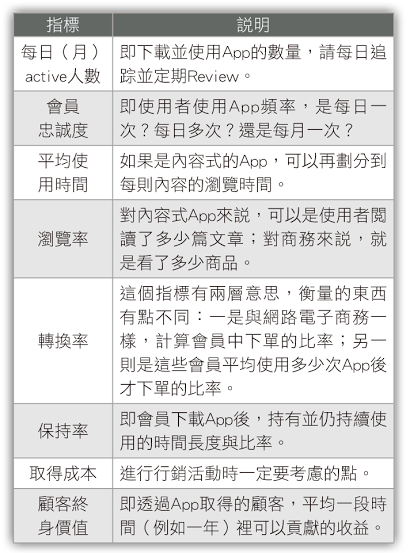
The factors mentioned above do not necessarily apply to every app. The key, however, is to use them to assess an app’s quality from the perspective of a long-term initiative.
The key to a successful app is not how many people download it, but how many users open it after downloading and are willing to keep using it and browsing its content.