
AccordHK · Blog

AccordHK · Field notes

Google Misses Out on Mainland China’s US$35 Billion Mobile App Opportunity

Mainland Chinese consumers’ smartphone app spending surged by 270% over two years, according to a review of the app economy in 2017. Apple, Tencent and Baidu benefited, while Google’s absence from the market cost it billions of US dollars in potential revenue.

Historical article. Product claims, platform details, and timing advice in this article have not been verified for today.

Stock photo
Photo: Pexels

In brief

Google missed mainland China’s growing app opportunity because its Play Store was unavailable there. A review of 2017 reported that mainland Chinese consumers’ smartphone app spending had risen by 270% over two years, benefiting Apple, Tencent and Baidu. The Information reported that Google intended to work with NetEase to relaunch a regulated Play Store.

An app data analytics platform released its review of the app economy in 2017. The report found that over the past two years, mainland Chinese consumers’ smartphone app spending surged by 270%, benefiting Apple, Tencent and Baidu. Google, however, missed this opportunity to profit because it had no Play Store in China.
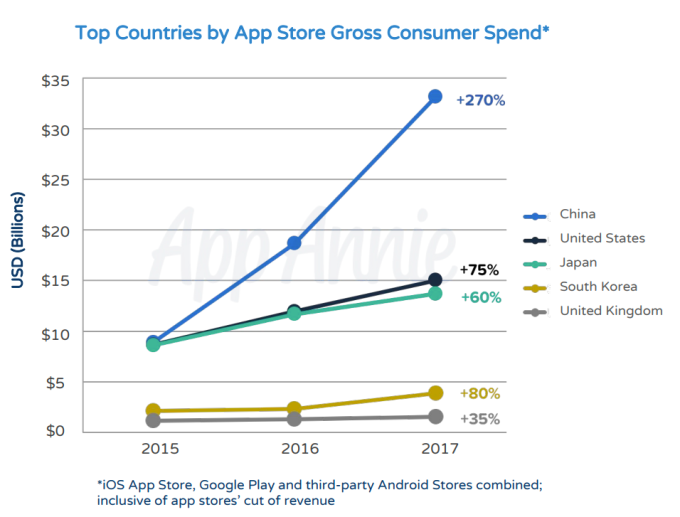
Growth in Chinese consumers’ app spending outpaced that of other countries

Google (Goog-US) shut down its Chinese web search service in 2010 over censorship issues, while several of its services were also blocked by the Chinese government. The company had spent years trying to relaunch its Google Play app store in China, but all its efforts had been unsuccessful.
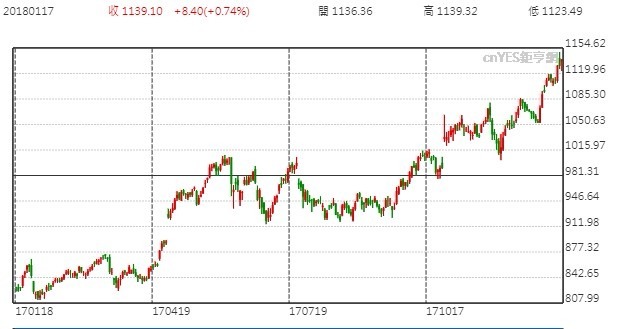
Daily share price chart for Alphabet
Daily share price chart for Google’s parent company, Alphabet

Google’s absence from China meant that most of the business opportunities created by apps went to Apple, Tencent and Baidu, costing Google billions of US dollars in potential revenue. According to an exclusive report by news outlet The Information, Google intended to work with NetEase, Inc. to relaunch a regulated version of the Play Store。

Globally, smartphone users downloaded more than 175 billion apps in 2017, an increase of 60% over two years earlier, and total spending exceeded US$86 billion. The time users spent on apps was striking: on average, each person spent 1.5 months a year using apps.
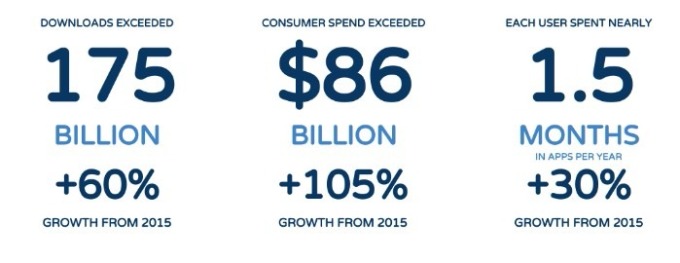
Money and time spent on apps by users worldwide in 2017

India was the country whose users used the largest number of apps, while users in China had the most apps installed on their phones on average.
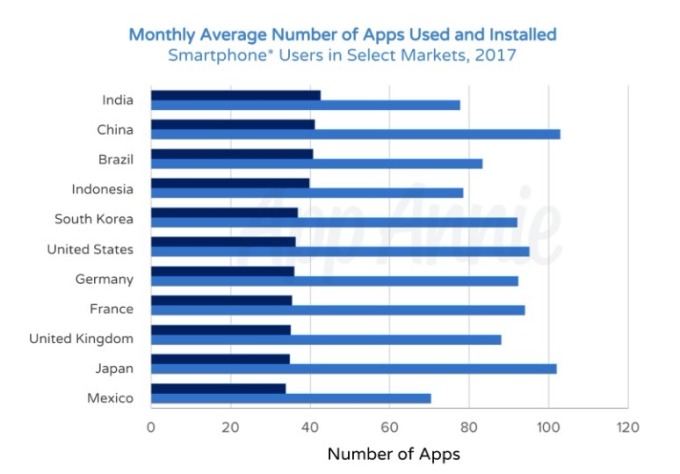
Number of apps installed on smartphones and number actually used (Source: App Annie)
Number of apps installed on smartphones and number actually used

https://www.nownews.com/news/20180118/2685685

Frequently asked questions

How much did mainland Chinese consumers’ smartphone app spending grow?

The review of the app economy in 2017 reported that spending had increased by 270% over the previous two years. Apple, Tencent and Baidu benefited from that growth.

Why did Google miss out on China’s app market opportunity?

Google had no Play Store in China, and its attempts over several years to relaunch the store had been unsuccessful. The article said this cost Google billions of US dollars in potential revenue.

What did the article report about Google’s plans with NetEase?

According to an exclusive report by The Information, Google intended to work with NetEase, Inc. to relaunch a regulated version of the Play Store.

How many apps did users worldwide download in 2017?

Smartphone users worldwide downloaded more than 175 billion apps in 2017, up 60% from two years earlier. Total spending exceeded US$86 billion, and users spent an average of 1.5 months a year using apps.

How did app use differ between India and China?

Users in India used the largest number of apps. Users in China had the most apps installed on their phones on average.

More from the AccordHK blog.

AccordHK

Make the next step practical.

Talk with AccordHK about software delivery, AI workflows, or focused training.

✆